Its tangy taste is often used to enhance flavors without adding extra calories or fat to recipes. You have an excellent grasp of spices, herbs, and seasonings for weight loss. Truly, nothing is entirely calorie-free—understanding which spices, seasonings, and herbs to count matters. Enjoy every bite filled with nutritious flavors using the right spices.
People Inc. – America’s Largest Digital & Print Publisher
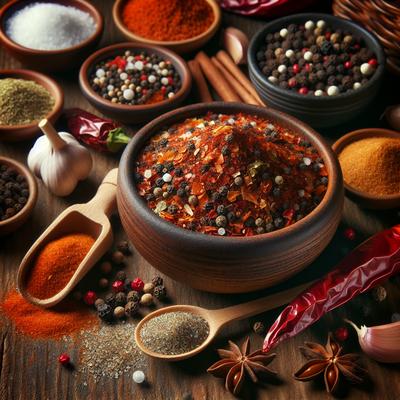
Some recipes add carrots, broccoli, or cabbage for extra vegetables. The real users reviews sauce freezes well, so make a big batch for easy future meals. Venison sausage patties make an excellent breakfast option when you want to use your ground deer meat. Try topping your egg scramble, vegetables, or whole grains with a dash of hot sauce. Studies have shown that apple cider vinegar specifically may reduce fasting blood sugar in people who are at risk for type 2 diabetes. Preclinical studies suggest that curcumin can act as an antioxidant and has anti-inflammatory, anticancer, and neuroprotective properties.
Root vegetables like carrots, parsnips, and turnips work well in this dish. Make the gravy using pan drippings, broth, and fresh herbs while your meatloaf rests. Ground venison makes excellent burgers when you add fat to keep them moist. Mix your venison with ground bacon or pork for the best results. This low calorie, low-fat, tasty and nutrient-dense salsa can zest up any meal. Traditionally made with tomatoes, onions, jalapeños, and lime, you can easily make your own to save on sodium.
- Sauté ground venison with vegetables in a small amount of olive oil to add nutrients without excess calories.
- Seasonings are a low-calorie, high-impact way to enhance the flavor and nutritional profile of your meals.
- However, despite being calorie-free, consuming excessive amounts of salt may indirectly result in weight gain.
- For example, if a seasoning is used excessively or mixed with high-calorie sauces or oils, it can significantly increase the calorie count of the dish.
- Even in generous amounts, spices contribute less than 1% of your daily calories.
- You wouldn’t burn off a significant number of calories by sprinkling cayenne on your eggs.
How can I tell if my spices are still good?
Simply, garlic salt is regular salt mixed with garlic powder, though the ratio tends to be more salt than garlic. Below, I’ll show you exactly which seasonings have zero, less than 10, or more calories. You can even use it in sweet-savory dishes like peach crisp where just a touch of rosemary or thyme adds a surprising herbaceous note that balances fruitiness beautifully. Whether you go with a store brand or create your own blend at home, Italian seasoning remains one of the cleanest, most calorie-conscious choices you can make in the kitchen.
A separate finding showed that a chili and mustard sauce raised metabolic rate by 25% more than the same meal without spices. That rounding trick works fine when you’re adding a pinch of cinnamon to your oatmeal. It becomes less accurate when you’re applying several tablespoons of a dry rub to a rack of ribs or building a curry paste with multiple spices measured in teaspoons. About 5 calories per teaspoon, with zero fat, sodium, or sugar—making it one of the cleanest options on store shelves. When it comes to cutting calories while boosting taste, Italian seasoning is a true pantry hero. You’ll find it in my favorite flavor-forward, healthy meals like oven-roasted veggies, chicken breast, and even tossed on top of baked Italian sausage before it hits the oven.
Spice Calorie Cheat Sheet: Real Numbers, Real Use
While seasonings themselves may not have many calories, the way they are prepared or used in dishes can contribute to the overall calorie content. For example, if a seasoning is used excessively or mixed with high-calorie sauces or oils, it can significantly increase the calorie count of the dish. Despite their ability to enhance the flavor of food, most seasonings contain a negligible amount of calories. In fact, certain herbs and spices, such as thyme and cinnamon, are considered to have no calories at all.
With such a diverse range of teas available, there is something for everyone’s taste preferences and health needs. Whether you prefer a bold and robust brew or a light and soothing cup, exploring the world’s tea offerings can be an exciting and delicious journey. Therefore, while salt doesn’t contribute calories, its use should still be moderated. This straightforward process allows you to whip up a batch of spice blend whenever you need it.
Slow Cooker Venison Bolognese
The way you use seasoning can impact the overall caloric content of your dish. Contrary to popular belief, most seasonings do not contribute a significant amount of calories to your meal. In fact, most herbs and spices are incredibly low in calories, making them an excellent choice to enhance the flavor of your dishes without adding extra energy.

Can spices help mask the taste of less desirable foods?
These options are not only low in calories but also packed with antioxidants and other nutrients that can support overall health. You can also use citrus juices, such as lemon or lime, to add flavor to your dishes without adding excess salt or sugar. They turn bland meals into flavourful dishes, elevate basic ingredients, and help people enjoy healthier foods without relying on sauces or added fats. But if you’re watching your calorie intake, it’s fair to wonder whether the seasonings you’re using are contributing to your daily totals. The short answer is yes, some seasonings do contain calories but most are minimal and unlikely to make a noticeable difference unless used in large quantities. In fact, spices and herbs like smoked paprika, Italian seasoning blends, and curry powder can enhance the flavor of meat without contributing many calories.
Does Seasoning Add a Lot of Calories?
The calories in seasonings might feel insignificant, but if you use them generously or rely on flavoring mixes frequently, they can subtly add up over time. To ensure your meal prep stays on track, it’s always a good idea to check the nutrition label of your seasoning options. Therefore, while seasonings themselves may not have calories, they contribute to the overall taste of a dish without adding significant calorie content.
The Effect of Condiments on Your Health
Lisa excels at helping home cooks understand the cultural context of spices while providing practical techniques for authentic flavor recreation. While spices are generally safe to consume, some people may experience gastrointestinal discomfort or heartburn when consuming large quantities. It’s best to use spices in moderation and listen to your body’s reactions. But some condiments contain high levels of salt, fat, and sugar.
why does ramen have so much sodium
Ground venison provides substantial amounts of B vitamins, particularly B12 and niacin. Vitamin B12 supports nerve function and helps create red blood cells. Fresh salsa brings bright flavors that balance the rich venison. Make a simple pico de gallo with tomatoes, onions, cilantro, and lime juice. You can also add mushrooms, peas, and onions to the meat mixture. The venison cooks in a rich gravy made from beef broth and tomato paste.
These numbers might seem small, but they can add up quickly when we’re using multiple seasonings throughout the day or consuming large quantities. Using spices as flavor enhancers can help reduce sodium intake and add depth to your meals without sacrificing taste. Lemon juice, a commonly used seasoning, contains only around 4 calories per tablespoon.
Use Other Seasonings Calories to Flavor Food
While pure spices skirt the calorie rule due to small serving sizes, complex seasoning blends pose a much greater caloric risk due to specific additive ingredients. For most cooking, the calories from seasonings are genuinely negligible. If you’re seasoning a chicken breast with salt, pepper, garlic powder, and paprika, you’re adding maybe 10 to 15 calories to the entire dish. When you compare the caloric value and nutritional benefits of common spices to dressings, sauces and condiments that are used for taste, spices are a great alternative. Not only are they easy to use, you can benefit from both improved taste and health benefits at one time, without having to count calories. Many contain naturally occurring compounds with anti-inflammatory or antioxidant properties.
The exception to this is in certain spice blends or pre-packaged products. Some commercial mixes contain added sugar, salt, flour, or oils that raise the calorie content beyond that of the pure spices alone. For example, a barbecue rub might include brown sugar, or a curry mix could contain starchy fillers. In these cases, the spice product can have a more noticeable energy value, especially when used in large quantities. If you’re using store-bought blends and you’re counting calories, it’s worth reading the label to understand what’s actually in the mix.
Leave a Reply