Category: Best fitness apps 2026

  • Weight Loss & Diet Plans Find healthy diet plans and helpful weight loss tools

    Why not bookmark this article in case you need a reminder later? And, if you want to start intermittent fasting (or if you’re currently fasting without a support team), go take our Simple quiz. This every-other-day pattern equals three or four pretty restrictive fasting days a week, so again, it’s not on our list of options unless your healthcare team is on board. Even if you can eat as you normally would for five days, the serious restrictions on the other two make this schedule another we don’t recommend without support from your healthcare team.

    Lemon water

    In this article, we’ll explore the ins and outs of drinking zero-calorie beverages while intermittent fasting. In the end, zero-calorie drinks can be a handy tool for anyone practicing intermittent fasting. They help keep you hydrated and might even curb those hunger pangs without messing up your fasting goals. Some folks might find that certain drinks work better for them than others.

    zero-calorie drinks intermittent fasting

    ​How to Use Bulletproof Coffee Correctly

    Even small amounts added to coffee or tea can be enough to impact your fast. Technically, these don’t contain calories, unimeal app review so they may not break your fast. Most contain artificial sweeteners, which can trigger cravings and may affect insulin response for some people. And improving health by lowering blood pressure, regulating blood sugar, and decreasing cholesterol. One natural choice you can make concerning your zero-calorie drink is taking water.

    • Fasting can regulate eating habits and decrease your body’s insulin production, which, in turn, may help reduce cravings, specifically for snack foods.
    • Some options are close to neutral—meaning they won’t significantly spike insulin or interfere with the cellular cleanup your body is working on behind the scenes.
    • Importantly, apple cider vinegar must be diluted as its acidity can harm your tooth enamel.
    • Ultimately, you should contact a healthcare provider and discuss intermittent fasting before you start.
    • But they still contain small amounts of carbohydrates, 9 grams in a medium, which could be too much for a very strict keto diet.
    • Zero calorie drinks like water or sparkling water keep you hydrated without adding any calories.

    The effect of zero calorie drinks on insulin levels depends on the specific ingredients of the drink. While they do not contain sugar, many zero calorie drinks contain artificial sweeteners. Water is a fundamental part of any fasting regimen and is strongly encouraged. It contains no calories, sugars, or proteins that could potentially interrupt your fast. In fact, staying properly hydrated during a fast is crucial to support bodily functions and prevent dehydration. Some people find the taste of plain black coffee unpleasant, and may want to add a splash of milk as a substitute.

    Low Carb Lemon Cashew Cookies

    In summary, successfully applying the 16/8 intermittent fasting method is not only about completing 16 hours of fasting but also about building a balanced, sustainable meal structure. When implemented thoughtfully, this approach can become a safe and long-term weight management strategy rather than just a short-lived trend. There are several strategies you can use to manage hunger while fasting, including staying hydrated, getting enough sleep, and engaging in activities that distract you from your hunger. Additionally, if you’re feeling extremely hungry or lightheaded, you should consider adjusting your fasting schedule or seeking advice from a healthcare professional. Yes, you will likely experience hunger while fasting, particularly in the first few days of your fasting program.

    Apple Cider Vinegar Water

    However, whether or not drinks that are low in calories “count” as breaking your fast depends on the type of fast you’re following and how strictly you’re following it. What (if anything) can you drink while fasting to stay satisfied? We polled fasting experts and research scientists to learn all about what you can drink while fasting without losing out on benefits.

    If you’re actually hungry, Zumpano suggests adding more protein and fiber to your day, including a mid-afternoon snack, like plain Greek yogurt and berries. Avoid eating after dinner to give your blood sugar time to normalize before going to bed. If a complete fast isn’t right for you, you could try alternate day fasting modified. In this version, on fast days you eat only 25% of your recommended daily calories; on regular eating days you eat 125% of your recommended daily calories. Pairing this with healthy food choices could help you reach your health goals. Coke Zero contains no calories and doesn’t break intermittent fasting.

    Intermittent fasting schedules

    zero-calorie drinks intermittent fasting

    Other signs of meaningful thyroid suppression include unusual fatigue, hair thinning, constipation, and dry skin that develops alongside the cold sensitivity. There’s also a direct effect on brown fat at the cellular level. The protein that allows brown fat to generate heat (rather than store energy) decreases during fasting. In animal studies, a two-day fast at normal room temperature measurably reduced this heat-generating protein, and body temperature fell alongside it. Milk and kefir are both dairy products that offer a range of health benefits due to their nutrient content and probiotic properties.

    One of the most common challenges when following the 16/8 method is the tendency to “compensate” by overeating. After 16 hours of fasting, strong hunger signals may lead you to consume large portions of food within the allowed timeframe. In such cases, the intended fat-loss benefits may be reduced or even reversed. Intermittent fasting is more than a diet, it is a structured, flexible approach to eating that aligns with human biology.

    Medical Professionals

    This simple addition can make plain water more appealing during longer fasting periods while providing a small amount of vitamin C. Intermittent fasting (IF) is a dietary approach that alternates between periods of fasting and eating. Remember, water is the best beverage choice during fasting periods, as it’s calorie-free and helps keep you hydrated.

    All Day Long Sleeve Crop

    Spicy foods containing capsaicin (the compound in chili peppers) also boost thermogenesis. Building your meals around protein and including spices like cayenne, chili flakes, or hot sauce can help you carry more warmth into your fasting window. While 16/8 intermittent fasting may offer several benefits, safety and sustainability should always come first. Instead of immediately committing to a full 16-hour fast, you can start with a shorter fasting window and extend it progressively as your body adapts.

    What drinks should I avoid while fasting?

    The physiological definition of breaking a fast centers on the body’s hormonal response, specifically the release of insulin. The primary goal of fasting is to keep insulin levels low, allowing the body to shift from burning glucose to burning stored fat, a state known as ketosis. Low insulin also permits the activation of cellular clean-up processes, such as autophagy, where the body recycles damaged cell components. What are the zero-calorie beverages you can drink to keep your body hydrated while intermittent fasting? Here we list a few intermittent fasting drinks you can try during your next fasting sessions. What zero-calorie drinks are best suited while you’re intermittent fasting?

    Defining What “Breaking a Fast” Means Metabolically

    While diet sodas are often marketed as zero-calorie beverages, they contain artificial sweeteners like aspartame and sucralose. These substances can stimulate the sweetness receptors in your brain and may trigger a small insulin response, potentially affecting your fasting state. However, the catch here is that the coffee must be black – no sugar, no creamers, or milk, as these will all add calories.

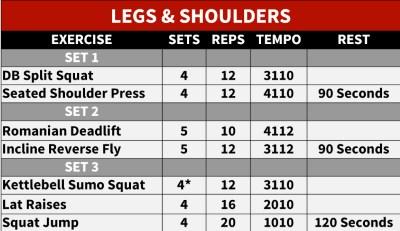
  • 3 Day Beginner Upper Body Lower Body Split Routine

    The right exercises can send you along your way to reaping the benefits of both of the above attributes. This list will help you cut through the clutter of trendy, cutting-edge movements and lean out the list unimeal video review out to a top 10 of must-dos for upper body development. Also note that the numbers written after the exercise (like 3×8-10) represent the amount of sets and reps to do for that exercise. For example, 3×8-10 means 3 sets of 8-10 reps. And you can rest about 2 minutes between each set. Full body workouts are often more physically and mentally taxing than workouts which divide the body up in some way. Give any solid program at least 8-12 weeks before you even think about switching things up.

    It allows for high training frequency (hitting each muscle group twice a week) and sufficient volume, both of which are crucial drivers of hypertrophy (1). For beginners, starting with a 3-day upper/lower split workout plan can be a great way to lay a solid foundation without feeling overwhelmed. As you adapt and your recovery improves, you can transition to a 4-day split.

    Rest Periods

    It turns out that when you equalize the total work done over a week—the total training volume—the results in strength and muscle gain are surprisingly similar. An upper-lower split can be particularly effective for strength development. With fewer muscle groups to target on any given day, you can allocate more energy and effort to compound lifts such as the squat, deadlift, bench press, and pull-ups. Keep in mind that beginners should absolutely not periodize their workouts. These are included in training splits that use 3, 4, 5, and 6 days of training from left to right. Keeping in mind that there is little evidence for training muscle groups mores than 3 times a week.

    Upper/Lower Split (3 to 5 Days)

    upper lower full body split

    And that “something” is often the true key to settling most weight training debates. If the downsides of an upper/lower split outweigh the benefits for your lifestyle, it’s worth exploring other options. Just like the beginner routine we covered a minute ago, it also uses the 3-day version of the split in the same alternating A-B-A – B-A-B format. Like I’ve mentioned a few times now, it can work for virtually every goal and every experience level as long as the overall program is designed correctly.

    upper lower full body split

    Progression and Alterations in Upper Lower Splits

    This split will allow you to train the lower body (quads, hamstrings, glutes, calves) twice per week (once every 3rd or 4th day), which is right within the optimal frequency range for most people. Once again, the version shown above is the most common way to schedule it, where the workouts are performed in an every-other-day format with two days off at the end. The actual days you choose doesn’t matter as long as that same structure is kept intact. The 3-day upper/lower split is another one of the most popular and proven workout splits of all time, and one of my personal favorites. You don’t have to stabilize the weight and therefore, you can really focus on working the leg muscles.

    Rest Days During the Upper/Lower Split

    The best plan is always the one you can actually stick to, week in and week out. It has to fit your schedule, match your goals, and feel sustainable. To support all that hard work and maximize growth, you have to fuel your body correctly.

    • Traditional training programs often involve longer rest periods than necessary, potentially underutilizing this metabolic boost.
    • For example, you can also incorporate block programming elements and prioritize one movement, such as the squat, for four to six weeks.
    • They work well together, as there’s no conflict, so you can keep moving throughout your workout if you want to speed things up and keep calorie burn high.
    • With a scheduling like the above, for each week the actual days (i.e. Monday-Sunday) of rest will differ.
    • It’s also effective for lifters of all levels, and can be adjusted based on how long you’ve been training.
    • Although you can choose any exercises you like, we highly recommend that you build your upper lower split around several big compound lifts.

    Day 7 – Rest or active recovery

    The more training miles you have on the clock, the more likely it is that you’ll benefit from some kind of split routine that involves a higher frequency of training. To do so indefinitely would be impossible, and there’ll be times when you end up lifting the same amount of weight, for the same number of sets and reps you did before. As the name states, a full-body routine is a workout routine in which you work all (or almost all) of your body’s major muscle groups every training session. We’ve got you covered with the best workout split regardless of how many times per week you want to hit the gym. Repeatedly training to failure could impair recovery, increase muscle damage, and even slow down your gains.

    Upper/Lower Split vs Full-Body Split for Strength Progression

    The entire focus is on big, compound lifts that give you the most bang for your buck. This targeted attack provides the overload that seasoned muscles need to adapt and grow. As you get stronger, it just becomes impractical to hit every muscle group with enough volume in a single full-body session. If you’re ready for that kind of focused training, our detailed guide on structuring a 5-day split is a great place to start. For lifters who have been in the game for a while, split routines are the perfect tool for shattering plateaus.

    Pushup

    For example, if you have to do 16 weekly sets for your chest, doing them in two upper-body workouts will be much easier and more sustainable. Likewise, if your training split is set up in such a way that you have a rest day between the lower body and upper body workouts, doing deadlifts as part of an upper body workout is a viable option. As you get stronger from your training, your body will adapt to your upper lower workouts and they will no longer place enough tension on the muscles to stimulate growth. The upper lower split is great for building muscle and gaining strength. Studies show that training muscles group twice a week is best for hypertrophy. Protein synthesis, which is a process for building muscle, occurs for up to 48 hours after a workout, so if you wait a week (which is 168 hours), you are missing out on growth potential.

    That’s just a fancy way of saying that they train multiple muscle groups at once. Whether you do these lying down, seated, or standing, it’s your choice. Just make sure to use a full range of motion and really focus on squeezing the muscles to get the most out of the exercise. Although, since you’ll be taking this exercise to failure each set, there’s no need to count the reps. Just make sure you do the movements properly and in the order explained in the instructions.

    Who Can Benefit from Upper Lower Splits?

    Being able to get a maximal contraction in the chest is an essential component of chest training. Add pounds of additional weight (depending on your strength level) to this lift. You can also use a dumbbell by standing with your feet together and placing the handle vertical between your feet. As with anything in life, there are pros and cons to the upper lower split. To build muscle, you need to apply the principle of progressive overload.

    Muscle hypertrophy—the technical term for the increase in the size of muscle cells—is not an accidental byproduct of lifting heavy objects; it is a specific physiological response to stress. When we train, we are essentially telling our bodies that our current strength and size are inadequate for the demands of our environment. For example, a great way to do this is to run two full-body workouts during the week, making sure every muscle gets worked regularly. Then, on the weekend, you could add a dedicated “split” day to hammer a lagging body part you want to bring up, like your shoulders or arms.

    The 3-Day Push/Pull+Legs Split

    Log your workouts and regularly review your performance to eliminate guesswork and ensure you’re on the right track. You can use a basic notebook, a note-taking app, or a workout-logger like Hevy, with all the tracking features you need. Additionally, you can do the occasional AMRAP (as many reps as possible) set to see how many reps you can actually do and if your RPE tracking is accurate. It’s best to do AMRAPs with a spotter or on machines with safety latches.