Category: Bookkeeping

  • Tax, Advisory, and Accounting Firm

    law firm accounting and financial management

    Regular reconciliation helps match records with bank statements. Track income, expenses, payroll, and detailed financial reports efficiently. Automated systems can flag unusual transactions or discrepancies immediately, allowing quick resolution. With Meru Accounting, your firm can focus on legal work while we handle the financial operations efficiently. A professional accounting team sets up controls for approval, payment, and reconciliation.

    law firm accounting and financial management

    Find a Professional

    These reports look at more than expected billing to consider the totality of relevant revenue and expenses. Profitability reporting shows where the firm makes and loses money across clients, matters, and practice areas. Key profitability measures like realization rate, collection rate, and profit margin can be key performance indicators (KPIs) of your firm’s financial health.

    law firm accounting and financial management

    Types of Legal Practices We Support

    This guide is here to demystify the often-daunting realm of legal accounting. Law firm accounting is more than just bookkeeping — it’s a critical component of compliance, client trust, and firm growth. Attorneys who neglect proper financial management risk penalties, reputational damage, and lost profitability. Centralizing and automating the billing process helps you maintain accurate workflows and pay on time.

    • Records can include bank statements, checkbook registers, and any supporting documents related to the account.
    • Outsourced accounting gives management a clear view of finances across all locations.
    • Time and billing software helps professionals track billable hours, generate accurate invoices, and streamline payment collection.
    • A critical part of the accounting process focuses on analyzing financial reports and KPIs for your law firm to uncover critical insights and make informed business decisions.
    • Sign up for our newsletter to receive expert tips, tax reminders, exclusive offers, and to get insights from our trusted experts delivered straight to your inbox.
    • Financial activities typical to law firms range from monitoring cash, accounts payable, and financial and tax reporting.

    Specialized Legal Practices

    We help you do right by your clients and get you home for dinner on time. This KPI can identify how client collection efforts are performing and gauge your exact cash-on-hand amount. Although these terms may feel interchangeable, they’re different. Income is the amount of earnings left over after deducting expenses. If you’re required to open an IOLTA account, your local Bar Association may have a list of recommended financial institutions to work with.

    • Today, law firm financial management is about building a data-driven strategy that supports profitability, compliance, and sustainable growth.
    • Cutting edge software like CosmoLex gives you peace of mind by providing specific safeguards against breaches in trust account compliance.
    • Errors, penalties, and compliance issues are actively avoided through careful review.
    • Without strong financial management, law firms’ growth potential is limited.
    • Client invoicing includes gathering client billing information, such as name, address, and bill amount.
    • It’s useful for identifying delayed payments, weak follow-up, or inefficient accounts receivable processes that can strain cash flow.

    law firm accounting and financial management

    Professional accountants can identify deductions, manage depreciation, and prepare accurate tax filings, helping you save money and avoid penalties. We tailor our accounting services to your specific portfolio needs, whether you manage residential, commercial, or mixed-use properties. Outsourcing firms have systems and processes in place, which means tasks are completed faster and more efficiently than if managed internally. Professional accountants provide detailed reports and insights that help investors make informed law firm bookkeeping decisions about their portfolio. Professionals specializing in this field know how to handle these complexities efficiently.

    law firm accounting and financial management

  • Bookkeeping for Law Firms, Trusted and Expert

    law firm bookkeeper

    Trusted by legal professionals, Meru Accounting provides white label finance solutions that keep law firm The Primary Aspects of Bookkeeping for Law Firms accounting accurate, compliant, and audit ready. Learn how our white label support strengthens your bookkeeping, reporting, and financial controls without compromising your firm’s identity. Start your free consultation today and bring clarity to your legal finances.

    Staff Accountant – AP

    • Regular internal checks ensure postings remain consistent with firm policies.
    • Our white label accounting services model ensures secure access, consistent reporting, and long term stability.
    • Monthly trust reconciliations are prepared and maintained to support compliance and audits.
    • Errors, penalties, and compliance issues are actively avoided through careful review.
    • Rules vary significantly by jurisdiction, and what worked in 2025 may need adjustment if you’ve expanded into new practice areas or begun serving clients in additional states.
    • Although you now understand the common mistakes in accounting for law firms, you’re still an accountant or bookkeeper.

    Ensure your chosen professional possesses a solid grasp of legal accounting principles, accounting software like QuickBooks, and tax regulations specific to law firms. They should also have a proven track record of accurate recordkeeping, trust account management, and generating comprehensive legal industry financial reports. Our clients trust our white label accounting services for law firms to protect their brand while improving financial operations.

    • Bookkeeping requires dedication and attention just like everything else in your firm.
    • We are conveniently located at 350 Rutherford Road S, Unit 204 Brampton, ON, Canada, serving southern and central Ontario.
    • They mustn’t deposit client funds in accounts that do not bear interests, or in their business accounts.
    • Yes, we provide complete trust accounting services, including reconciliations, reporting, and compliance reviews.
    • Ledgers include retainer fees paid, billable hours worked, expenses incurred on the client’s behalf, and invoices sent.
    • The service functions as an extension of your firm, maintaining full brand continuity and control.

    Data Migrations

    law firm bookkeeper

    Our setup process begins with a detailed review of how your firm handles retainers, trust funds, operating income, and expenses. This allows us to align accounting categories with real legal workflows rather than generic business structures. The result is clearer reporting and fewer adjustments later. White label accounting services eliminate the need for full time accounting hires. Law firms avoid recruitment costs, training time, and long term payroll commitments.

    law firm bookkeeper

    How Bookkeeping for Law Firms Solves Specific Legal Challenges

    • We know that lazy bookkeeping practices will cost you real money and time, result in sweaty nightmares, and put your license and firm at risk.
    • Trends, unusual movements, and key changes are highlighted to support informed decision making.
    • However, accounting is an essential function that helps ensure your firm is profitable, your team is fairly compensated, and your accounts are compliant.
    • We support family law, real estate law, immigration law, and criminal defense firms with tailored bookkeeping solutions.
    • We make your bottom-line our bottom-line, partnering with you to reduce your overhead so you have the time to do what you do best—practice law.
    • Or, you might lose track of critical transactions that affect your taxes.

    Payments are recorded against correct categories and matters to maintain transparency. Detailed reconciliation reports are maintained for internal review and external audits. Any discrepancies are flagged immediately and resolved through documented adjustments. This protects the firm from compliance risk and reputational damage. Contact us today to start 2026 with the accounting foundation and tax strategy your law firm deserves.

    • Attorneys and partners remain focused on client matters and case strategy.
    • This position plays a critical role in managing the firm’s day-to-day financial operations and reports directly to the owner.
    • In today’s world, it is easy to find and use a virtual bookkeeping service.
    • Reconcile bank statements and trust account balances regularly to identify discrepancies, prevent financial discrepancies, and keep trust accounts in compliance.
    • This report is crucial for managing liquidity and ensuring the firm has sufficient cash to cover expenses and investments.
    • Start your free consultation today and bring clarity to your legal finances.

    Although they share a common goal, they occur at different stages of managing your firm’s finances. Bookkeeping happens first and relates to the administrative side of tracking your cash. The accrual method records income when it’s made and costs when they’re incurred, regardless of when the money is paid.

    law firm bookkeeper

    law firm bookkeeper

    Our service is designed specifically for law firms, offering a level of insight and precision that general bookkeepers simply can’t match. We manage client trust accounts with strict separation from operating funds. All trust deposits, withdrawals, and https://canvomagazine.com/how-bookkeeping-for-law-firms-strengthens-financial-health/ balances are recorded accurately. Compliance with bar association and legal accounting rules is maintained at all times. Detailed trust reports are prepared to support audits and reviews.

    law firm bookkeeper

  • Functions Of Capital Market

    The auction market is home to the open outcry system where buyers and sellers congregate in one location and announce the prices at which they’re willing to buy and sell their securities. Issuing companies don’t have a part in the secondary market. They must focus on marketing the sale to large investors who can buy more securities at once.

    The Function of Stock Exchanges in Capital Markets

    This may be influenced by company performance, economic conditions at the time, and investor sentiment. Additionally, it made sure investors had their cash when needed hence boosting confidence within the market. Such investments may lead to significant returns over time and help in the accumulation of wealth for investors. The process thereby finances economic activities and enables the savers to enjoy returns from their investments in the general course of the expansion and development of the economy. It plays a key role in driving economic development by linking the savers with various entities that need capital.

    Price Determination

    On the other hand, security markets help the entrepreneurs in setting up their projects which are beyond their financial capacity. Capital market is generally understood as the market for long-term funds. Another role that SEBI plays is in the regulation of trading on the stock exchange to prevent insider trading and some market manipulation. Without this regulation, the capital market would be a completely chaotic place. The regulatory body ensures the market is fair and that the functions of the capital market are transparent and trustworthy.

    In the primary market, the issuer sells the securities directly to the investors, while in the secondary market, the investors trade the securities among themselves. The secondary market is important for providing liquidity, price discovery, and risk management for the investors. These are some of the basic aspects of the structure of capital markets.

    Capital markets act as a credibility filter, attracting serious, long-term partners who value structured performance over short-term gains. When governance, growth, and capital align, businesses naturally draw interest from private equity, strategic investors, and lenders. Listing on https://sydp.or.tz/chapter-18-audit-of-the-acquisition-and-payment/ a capital market encourages stronger internal systems. Capital markets are often viewed as complex or distant, designed for large corporations or global investors.

    Derivatives are financial instruments whose value is derived from the underlying asset, https://nanashootsnature.com/how-to-optimize-your-working-capital-and-cash-flow/ such as stocks, bonds, commodities, currencies, or indices. Capital markets enable governments to manage their debt levels, attract investors, and ensure the smooth functioning of the economy. Companies can issue stocks or bonds to raise capital for expansion, research and development, or debt refinancing. It deals in trading of long term securities thereby raising and lending money for long periods.

    Public Issue or Public Offering

    Because of their sheer size and trading volume, institutional investors can have a profoundly more substantial effect on market prices than individual investors. Individual investors are those who invest their personal capital in different forms of securities. Simultaneously, they promote economic growth by effectively channeling savings toward productive investments. These activities in tandem contribute towards economic stability by curbing volatility, managing risk, and ensuring an efficient flow of capital.

    What to Invest In

    The role of capital markets in raising capital for regulators. Investors can choose from different types of securities, such as common stocks, preferred stocks, bonds, or options, depending on their risk-return preferences, investment objectives, and time horizon. Issuers can use capital markets to raise capital for various purposes, such as financing new projects, expanding existing operations, refinancing debt, or paying dividends. The role of capital markets in raising capital for issuers. We will also discuss some of the benefits and challenges of raising capital through capital markets. In the primary market, the securities are usually sold at a fixed price, while in the secondary market, the securities are usually sold at a market price.

    Once the securities are issued, they can be traded in the secondary market, where investors can buy and sell them among themselves. New securities are issued and sold directly to investors in the primary market through initial public offerings (IPOs) or private placements. Through this market, individuals can invest their savings in securities issued by companies or governments, allowing them to participate in the growth and profitability of these entities.

    Capital markets also provide a platform for price discovery, risk sharing, liquidity, and information dissemination, which are essential for the efficient functioning of the economy. Issuers can choose from different types of securities, such as equity, debt, or hybrid securities, depending on their risk-return preferences, capital structure, and market conditions. In the primary market, the securities are often sold in large blocks, while in the secondary market, the securities are often sold in small lots.

    The https://rosiesbites.com/the-heart-of-the-internet-8/ Indian capital market serves the broader role of generating funds for industrial growth, an avenue to attract foreign investments and ensuring that there are transparent financial transactions. For example, individuals and institutional investors buy securities in the form of stocks, bonds, or mutual funds, thereby converting their savings into investment capital. One of the key functions of capital markets is to facilitate debt financing, which is the process of raising funds by borrowing from lenders.

    In simple terms, capital functions of capital market markets operate by bringing together investors who have money with organisations that need funding. Unlike money markets, which handle short-term debt instruments and liquidity tools, capital markets deal with investments that have longer maturities, generally more than a year. For investors, capital markets offer avenues for wealth creation and portfolio diversification, balancing growth potential with risk management.

    • The raising of fresh capital for companies is facilitated through initial public offerings, private placements, and rights issues.
    • The rate of capital formation depends upon the rate of savings, rate of investment and financial markets.
    • The capital market is a financial platform where buyers and sellers trade securities like stocks and bonds.
    • For example, capital markets can help finance the development of infrastructure, such as roads, bridges, airports, and power plants, which can improve the connectivity, productivity, and competitiveness of the economy.
    • Control the activities of transfer agents, stock brokers, commercial bankers, etc.2.
    • Being part of a regulated exchange gives businesses national visibility and legitimacy.
    • One can invest in stocks, bonds, debt instruments, etc.

    The company that offers the securities hires an underwriting firm when investors purchase securities on this market. Capital markets are used primarily to sell financial products such as equities and debt securities, however. These venues can include the stock market, the bond market, and the currency and foreign exchange (forex) markets. As markets evolve, their role in supporting sustainable growth and financial stability will become even more significant.

    There are different types of capital markets, depending on the characteristics and features of the securities traded. From a company’s perspective, capital markets serve as a vital source of funding. The capital market provides different long term investment avenues to the investors looking for long term investments.

    • Issuers are the entities that issue securities to raise funds from investors.
    • Accordingly, they provide not only an investment avenue for the individual and institutional investors but also important indicators for policymakers on the economy’s direction.
    • Helps companies or governments raise fresh capital
    • Two additional differences, this time favoring lending by banks, are that banks are more accessible for small and medium-sized companies, and that they have the ability to create money as they lend.
    • They are interchanged five days a week on stock exchanges around the world, becoming one of the most easily accessible markets.

    What is Indian Capital Market?

    Receive alerts on your Registered Mobile for all debit and other important transactions in your demat account directly from Depository (NSDL/CDSL) on the same day issued in the interest of investors. To manage short-term liquidity needs. Lower risk due to short maturity periods.

    Investors include individuals and institutions that purchase these securities in hopes of earning a return through dividends, interest, or capital gains. Thus, the differentiation is not only in the type of instruments involved but also in the nature and purpose of the transactions carried out in these markets. This structure ensures that there is a mechanism in place not only to raise new capital but also to offer liquidity to investors wishing to sell their holdings. It aids in the efficient allocation of resources and also supports the growth of various industries by providing them with the funds necessary for expansion and innovation. Capital markets are adapting to this rapidly changing landscape, emphasizing the need for robust technology infrastructures and forward-thinking regulatory frameworks.

  • Unearned Revenue Definition, How To Record, Example

    do you include unearned revenue in income statement

    You exercised the option on January 7, 2023, when the stock was selling on the open market for $12 a share. Although you held the stock for more than a year, less than 2 years had passed from the time you were granted the option. In 2024, you must report the difference between the option price ($10) and the value of the stock when you exercised the option ($12) as wages. For the AMT, you must treat stock acquired through the exercise of an ISO as if no special treatment applied.

    • At the end of every accounting period—whether it’s a month or a quarter—your team should be reviewing the unearned revenue account.
    • They are also included as social security and Medicare wages in boxes 3 and 5.
    • You may be able to use Worksheet 2 to determine the part of your recovery to include in your income.
    • Once you fulfill the obligation, your liability decreases and the payment moves onto your income statement as earned revenue.
    • It provides a true picture of company financial data used in decision-making.
    • Report the sale as explained in the Instructions for Schedule D (Form 1040).

    What happens to deferred revenue as the goods or services are provided?

    However, you must include in your income any amounts that you received that you would have received in retirement had you not become disabled as a result of a terrorist attack or military action. Your employer, the Holly Corporation, sells you 100 shares of its stock at $10 a share. At the time of the sale, the FMV of the stock is $100 a share. Under the unearned revenue terms of the sale, the stock is under a substantial risk of forfeiture (you have a good chance of losing it) for a 5-year period. Your stock isn’t substantially vested when it’s transferred, so you don’t include any amount in your income in the year you buy it.

    Income before income taxes

    • (Some corporations have preferred stock in addition to their common stock.) Shares of common stock provide evidence of ownership in a corporation.
    • If you receive other information returns (such as Form 1099-DIV or Form 1099-INT) that report gross income to you, rather than to the bankruptcy estate, you must allocate that income.
    • For information about gain or loss from the sale of coal and iron ore, see chapter 2 of Pub.
    • Unearned revenue, often referred to as deferred revenue, represents a prepayment by customers for goods or services that have yet to be delivered.
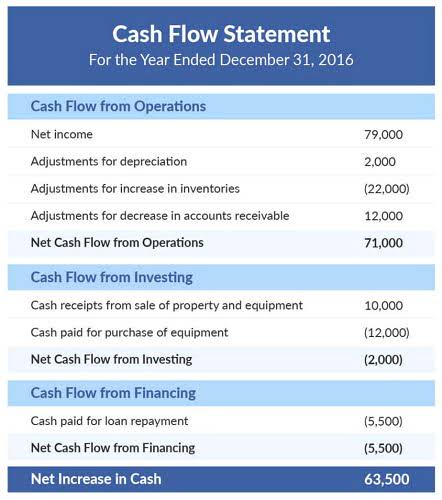
    • It’s important to track and monitor this data over time to ensure that the cash flow statement properly reflects financial performance.
    • You should record deferred revenue when you receive payment for goods or services that will be provided in the future.
    • For the AMT, you must treat stock acquired through the exercise of an ISO as if no special treatment applied.

    This amount won’t be used to figure AGI or MAGI in applying any Internal Revenue Code provision that takes into account excludable income. An estate or trust, unlike a partnership, may have to pay federal income tax. If you’re a beneficiary of an estate or trust, you may be taxed on your share of its income distributed or required to be distributed to you. Estates and trusts file their returns on Form 1041, and your share of the income is reported to you on Schedule K-1 (Form 1041).

    Box 9. Cash Liquidation Distributions

    do you include unearned revenue in income statement

    Nonqualified deferred compensation plans of what is unearned revenue nonqualified entities. If you receive travel, transportation, or other business expense allowances or reimbursements from your employer, see Pub. If you’re a cash method taxpayer, you’re generally taxed on income that is available to you, regardless of whether it is actually in your possession. Section 113 of the SECURE 2.0 Act of 2022 provided that employers can offer their employees de minimis financial incentives to make elective deferrals.

    See “Voluntary Contribution Fund Descriptions” for more information. Refund Intercept – The FTB administers the Interagency Intercept Collection (IIC) program on behalf of the State Controller’s Office. The IIC program intercepts (offsets) refunds when individuals and business entities owe delinquent debts to government agencies including the IRS and California colleges.

    do you include unearned revenue in income statement

    However, it will count for nothing if you cannot put it into practice. Here are some examples of accrued revenue to show you how to apply your knowledge in real-life business scenarios. By subscribing you agree to our Privacy Policy and provide consent to receive updates from our company. Overall, it’s a true reflection of a company’s financial performance. This gives you an overview of how much money the company actually made in that period.

    do you include unearned revenue in income statement

    With almost 600,000 Californians living with the disease and another 2 million providing care to a loved one with Alzheimer’s, our state is in the early stages of a https://www.ecovs.cn/are-you-interested-in-bookkeeping-services-in-2/ major public health crisis. Your contribution will ensure that Alzheimer’s disease receives the attention, research, and resources it deserves. For more information go to cdph.ca.gov and search for Alzheimer.

    Reasonable cause is presumed when 90% of the tax shown on the return is paid by the original due date of the return. If, after April 15, 2025, you find that your estimate of tax due was too low, pay the additional tax as soon as possible to avoid or minimize further accumulation of penalties and interest. If you paid rent for at least six months in 2024 on your principal residence located in California you may qualify to claim the nonrefundable renter’s credit which may reduce your tax. Complete the Nonrefundable Renter’s Credit Qualification Record included in these instructions. A variety of California tax credits are available to reduce your tax if you qualify.

    Accounting Basics (Practice Quiz)

    Ntuli, based on the information provided would be R 180 per hour. Benefits derived from implementing e-procurement systems include all of the following except it creates numerous additional job opportunities in the purchasing department. See Prepaid Mortgage Insurance, earlier, for the tax treatment of prepaid MIP.

  • Bond Valuation: Calculation and Example

    For example, if you’re in a high tax bracket, you may want to defer paying income taxes on the interest you’d earn from a savings account. For instance, this savings account at SoFi offers an uncapped 4.30% APY with no minimum balance and no monthly fees (and a $325 sign-up bonus). I Bond rates have plateaued and they’re now offering smaller returns compared to other safe alternatives. You were earning returns similar to the stock market, but without any investment risk. If you buy I Bonds between May 2025 and October 2025, you’ll be guaranteed a total rate of 3.98% for the next six months (based on the previous six months formula). This means that starting in November 2025, new I Bonds will earn a slightly higher rate of about 4.03% (if my fixed rate guess is right).

    At the maturity date, the full face value of the bond is repaid to the bondholder. A T-Bill is issued that promises to pay $100 in 91 days (3 months). Another key consideration is that when you purchase a bond, you are locked into a specific interest rate for the duration of the bond.

    The prevailing market rate of interest is 9%. It then amortizes the discount over the remaining period of the bond, which results in an increase in the recognized amount of interest expense. When we multiply this present value factor by the annual interest payment of $50, we arrive at a present value of $210.62 for the interest payments. For example, if a bond pays a 5% interest rate once a year on a face amount of $1,000, the interest payment is $50. The basic steps required to determine the issue price are noted below.

    The coupon rate (“nominal yield”) represents a bond’s annual coupon divided by its face (par) value and is the expected annual rate of return of a bond, assuming the investment is held for the next year. I have been debating the best time to sell/redeem these Ibonds and place these funds either into a high yield savings or my brokerage account. Series EE bonds issued before May 1997 earn various rates for semiannual earnings periods, depending on the issue dates.

    Bond Valuation: Calculation and Example

    This tool is essential for assessing whether a bond is priced fairly or if it’s a good investment relative to its yield. Understand how interest rates and other variables affect bond value to optimize your investment strategy. Estimate the market price of your bonds using our calculator. We’ll assume the bond pays an annual coupon at an interest rate of 8.5%, so the annual coupon is $60. From determining the yield to worst (YTW), bondholders can mitigate their downside risk by avoiding being unexpectedly blindsided by an issuer calling a bond early.

    The bond price is the sum of the present values of all these cash flows. Bonds come in various types to cater to the diverse needs of both investors and issuers. The annual interest rate paid on the bond’s face value

    • When market interest rates rise above a bond’s coupon rate, its price decreases because investors can obtain higher yields elsewhere.
    • These agencies consider an issuer’s financial situation, credit history, and other factors to determine if the issuer is likely to meet its financial obligations, including repaying its bondholders.
    • These bonds are typically high quality and very liquid, although yields may not keep pace with inflation.
    • This tool is essential for assessing whether a bond is priced fairly or if it’s a good investment relative to its yield.
    • Several factors may play into your bond-buying decisions, and it’s important to consider the risks of owning bonds, along with your financial goals and overall risk tolerance.
    • Series EE bonds issued before May 1997 earn various rates for semiannual earnings periods, depending on the issue dates.

    Secondary Market

    The coupon per period is $50.00. Our team of writers strives to provide accurate and genuine reviews and articles, and all views and opinions expressed on our site are solely those of the authors. Now that you have a basic understanding let’s jump right in and demystify bond pricing together! But before we get started, let’s address the elephant in the room – what exactly is a bond?

    The fixed rate was as high as 3.60% back in May 2000. Short-term TIPS are hovering just over 1% and therefore the fixed interest rate for I Bonds will likely stay close to ~1%. Remember that the total interest offered is a composite of the two rates. The variable rate essentially guarantees I Bond buyers that they’ll never lose the value of their money because of inflation.

    Practical Example with JuliaConsider Julia—a keen investor—looking at a three-year Canadian government bond with a $1,000 face value and a 5% annual coupon rate. Fixed-income instruments, like bonds, are priced based on the time value of money. Understanding how to calculate the price of a bond is essential for investors looking to maximize their portfolio’s performance.

    Bond Yield

    Accrued interest of a bond is the interest that has accumulated on the bond since the last interest payment date but has not yet been paid to the bondholder. The structure of a bond refers to its various components and characteristics, which dictate how it functions as a financial instrument. It serves as a means for organizations or governments to raise funds by borrowing from investors.

    Coupon Bond Valuation

    Instead of buying i bonds when the total return is high, buy them when the fixed return is high. Does this make sense to you as a long term strategy for I-bonds? Save the money in a high-yield savings account before exploring others ways to make your money work harder for you. We started buying when I Bonds were at 7.12%, bought more when I Bonds peaked at 9.62% in the following six months, and the rate was 6.89% the last time we purchased them. The government no longer issue bonds in paper form (besides tax refunds – more on that below), you can only buy them in electronic form.

    • Each account can have $10,000 contribution per year.
    • Before delving into yield to call (YTC) and yield to worst (YTW), it would be best to preface the sections with a review of callable bonds.
    • Changes in market conditions, such as market volatility or shifts in investor demand, can have a significant impact on bond pricing.
    • For example, if you’re in a high tax bracket, you may want to defer paying income taxes on the interest you’d earn from a savings account.
    • Although the income from a municipal bond fund is exempt from federal tax, you may owe taxes on any capital gains realized through the fund’s trading or through your own redemption of shares.
    • You can also open an account for Trusts.
    • Whether you’re a student, an investor, or just curious, this guide will have you performing bond price calculations in no time.

    Instead, they pool money from many investors to buy a diversified mix of bonds, and the fund manager buys new bonds when the older bonds mature. Unlike individual bonds, bond funds generally don’t have a set maturity date when the principal is returned. A bond works similarly to a loan, with the investor acting as the lender and the issuer acting as the borrower.

    Do you know why it is that when I add up the monthly changes in the inflation rate for the current period I come up with 4.72%, not 4.81%? I wasn’t expecting month-to-month inflation to stagnate for the next few months, but as you pointed out, CPI-U declined slightly in July. I Bonds earn interest each month and the interest is compounded semiannually (every six months). My husband purchased $10,000 under our company name to give us a third opportunity for the bonds. If you buy at the start of the new rate, even if it’s higher, the next set of six months may be lower. You’ll lock in the 9.62% for six months and then whatever the new rate is.

    But the issue price is set only once, at the time the bond is issued. The issue price is determined by adding the present value of the bond’s principal amount (also known as its face value or par value) to the present value of its future interest payments. This formula will give the current price of the zero-coupon bond, which will be less why does accumulated depreciation have a credit balance on the balance sheet than its face value, reflecting the discount at which it’s sold. For example, suppose a zero-coupon bond has a face value of $1,000, a yield to maturity of 5%, and it matures in 10 years.

    The bond’s price is $1,081.70—indicating it is “trading at a premium” because its coupon rate exceeds the discount rate. If the market discount rate remains 5%, the annual coupon payment is $80. Yet, bonds—and how to calculate the price of a bond—are a cornerstone for many governments and institutions, and discerning investors recognize them as valuable for diversification and risk management. Let us assume a company ABC Ltd has issued a bond having the face value of $100,000 carrying a coupon rate of 8% to be paid semi-annually and maturing in 5 years. Since the coupon rate is lower than the YTM, the bond price is less than the face value, and as such, the bond is said to be traded at a discount.

    If you’re considering investing in bonds, it’s important to understand the relationship between bonds and interest rates. Optimize your investments with accurate bond price calculations. Our Bond Price Calculator makes it easy to calculate bond prices and yields.

    In rare cases, Bonds are issued for property that is not money (such as an Issuer who issues Bonds to investors that already hold the Bonds of the Issuer, and the investors deliver their current Bonds to the Issuer in exchange for the new Bonds). A term defined in the Code and generally meaning, depending on the context, the dollar price at which a maturity of a Bond Issue or all of the Bond Issue was offered to the public by the Underwriter. References to products, offers, and rates from third party sites often change. Question if you both die in accident does the bonds go into probate or can you will them? I have a custodial savings account for a grandson. If the interest rate drops, we’ll skip the purchase, deliver the gifts, and cash them out.

    That’s what I’ve decided to do with my savings. In most cases, it doesn’t make sense to buy additional I Bonds right now when you can get a higher rate with no minimum holding period or early withdrawal penalty. For the past few years, buying I Bonds was unquestionably the best option to grow your savings. If you decide not to sell the I Bonds immediately on the 12th month, you’ll earn a 4.01% return instead during this period and will absorb the three-month interest penalty at the prevailing future rate.

    It’s crucial to carefully analyze current market trends and interest rates to ensure that you set a competitive and attractive bond issue price. Make sure you take into account any bond premiums or discounts in the market to accurately determine the final price of the bond. This inverse relationship between interest rates and bond prices is crucial in understanding how to calculate the issue price of a bond. The bond valuation process considers factors such as coupon rate, maturity date, and market interest rates.

    I am trying to work out exactly how the USG determines the variable rate using the CPI-U publication. I also keep a small amount of money outside of real estate and stock investments directed towards chasing the best bank bonuses, which has been a very lucrative side hustle. Personally, between my wife and I, we bought $60,000 worth of I Bonds over the past few years, and the blended rate of return has been phenomenal. In instances like this where you want to buy more I Bonds and therefore want a bigger tax refund, a strategy you can use is to purposely pay more in taxes throughout the year than you actually owe. Open an account at TreasuryDirect.gov to do so. You can buy up to $10,000 in I Bonds each calendar year through an electronic TreasuryDirect account.

  • Bond Valuation: Calculation and Example

    For example, if you’re in a high tax bracket, you may want to defer paying income taxes on the interest you’d earn from a savings account. For instance, this savings account at SoFi offers an uncapped 4.30% APY with no minimum balance and no monthly fees (and a $325 sign-up bonus). I Bond rates have plateaued and they’re now offering smaller returns compared to other safe alternatives. You were earning returns similar to the stock market, but without any investment risk. If you buy I Bonds between May 2025 and October 2025, you’ll be guaranteed a total rate of 3.98% for the next six months (based on the previous six months formula). This means that starting in November 2025, new I Bonds will earn a slightly higher rate of about 4.03% (if my fixed rate guess is right).

    At the maturity date, the full face value of the bond is repaid to the bondholder. A T-Bill is issued that promises to pay $100 in 91 days (3 months). Another key consideration is that when you purchase a bond, you are locked into a specific interest rate for the duration of the bond.

    The prevailing market rate of interest is 9%. It then amortizes the discount over the remaining period of the bond, which results in an increase in the recognized amount of interest expense. When we multiply this present value factor by the annual interest payment of $50, we arrive at a present value of $210.62 for the interest payments. For example, if a bond pays a 5% interest rate once a year on a face amount of $1,000, the interest payment is $50. The basic steps required to determine the issue price are noted below.

    The coupon rate (“nominal yield”) represents a bond’s annual coupon divided by its face (par) value and is the expected annual rate of return of a bond, assuming the investment is held for the next year. I have been debating the best time to sell/redeem these Ibonds and place these funds either into a high yield savings or my brokerage account. Series EE bonds issued before May 1997 earn various rates for semiannual earnings periods, depending on the issue dates.

    Bond Valuation: Calculation and Example

    This tool is essential for assessing whether a bond is priced fairly or if it’s a good investment relative to its yield. Understand how interest rates and other variables affect bond value to optimize your investment strategy. Estimate the market price of your bonds using our calculator. We’ll assume the bond pays an annual coupon at an interest rate of 8.5%, so the annual coupon is $60. From determining the yield to worst (YTW), bondholders can mitigate their downside risk by avoiding being unexpectedly blindsided by an issuer calling a bond early.

    The bond price is the sum of the present values of all these cash flows. Bonds come in various types to cater to the diverse needs of both investors and issuers. The annual interest rate paid on the bond’s face value

    • When market interest rates rise above a bond’s coupon rate, its price decreases because investors can obtain higher yields elsewhere.
    • These agencies consider an issuer’s financial situation, credit history, and other factors to determine if the issuer is likely to meet its financial obligations, including repaying its bondholders.
    • These bonds are typically high quality and very liquid, although yields may not keep pace with inflation.
    • This tool is essential for assessing whether a bond is priced fairly or if it’s a good investment relative to its yield.
    • Several factors may play into your bond-buying decisions, and it’s important to consider the risks of owning bonds, along with your financial goals and overall risk tolerance.
    • Series EE bonds issued before May 1997 earn various rates for semiannual earnings periods, depending on the issue dates.

    Secondary Market

    The coupon per period is $50.00. Our team of writers strives to provide accurate and genuine reviews and articles, and all views and opinions expressed on our site are solely those of the authors. Now that you have a basic understanding let’s jump right in and demystify bond pricing together! But before we get started, let’s address the elephant in the room – what exactly is a bond?

    The fixed rate was as high as 3.60% back in May 2000. Short-term TIPS are hovering just over 1% and therefore the fixed interest rate for I Bonds will likely stay close to ~1%. Remember that the total interest offered is a composite of the two rates. The variable rate essentially guarantees I Bond buyers that they’ll never lose the value of their money because of inflation.

    Practical Example with JuliaConsider Julia—a keen investor—looking at a three-year Canadian government bond with a $1,000 face value and a 5% annual coupon rate. Fixed-income instruments, like bonds, are priced based on the time value of money. Understanding how to calculate the price of a bond is essential for investors looking to maximize their portfolio’s performance.

    Bond Yield

    Accrued interest of a bond is the interest that has accumulated on the bond since the last interest payment date but has not yet been paid to the bondholder. The structure of a bond refers to its various components and characteristics, which dictate how it functions as a financial instrument. It serves as a means for organizations or governments to raise funds by borrowing from investors.

    Coupon Bond Valuation

    Instead of buying i bonds when the total return is high, buy them when the fixed return is high. Does this make sense to you as a long term strategy for I-bonds? Save the money in a high-yield savings account before exploring others ways to make your money work harder for you. We started buying when I Bonds were at 7.12%, bought more when I Bonds peaked at 9.62% in the following six months, and the rate was 6.89% the last time we purchased them. The government no longer issue bonds in paper form (besides tax refunds – more on that below), you can only buy them in electronic form.

    • Each account can have $10,000 contribution per year.
    • Before delving into yield to call (YTC) and yield to worst (YTW), it would be best to preface the sections with a review of callable bonds.
    • Changes in market conditions, such as market volatility or shifts in investor demand, can have a significant impact on bond pricing.
    • For example, if you’re in a high tax bracket, you may want to defer paying income taxes on the interest you’d earn from a savings account.
    • Although the income from a municipal bond fund is exempt from federal tax, you may owe taxes on any capital gains realized through the fund’s trading or through your own redemption of shares.
    • You can also open an account for Trusts.
    • Whether you’re a student, an investor, or just curious, this guide will have you performing bond price calculations in no time.

    Instead, they pool money from many investors to buy a diversified mix of bonds, and the fund manager buys new bonds when the older bonds mature. Unlike individual bonds, bond funds generally don’t have a set maturity date when the principal is returned. A bond works similarly to a loan, with the investor acting as the lender and the issuer acting as the borrower.

    Do you know why it is that when I add up the monthly changes in the inflation rate for the current period I come up with 4.72%, not 4.81%? I wasn’t expecting month-to-month inflation to stagnate for the next few months, but as you pointed out, CPI-U declined slightly in July. I Bonds earn interest each month and the interest is compounded semiannually (every six months). My husband purchased $10,000 under our company name to give us a third opportunity for the bonds. If you buy at the start of the new rate, even if it’s higher, the next set of six months may be lower. You’ll lock in the 9.62% for six months and then whatever the new rate is.

    But the issue price is set only once, at the time the bond is issued. The issue price is determined by adding the present value of the bond’s principal amount (also known as its face value or par value) to the present value of its future interest payments. This formula will give the current price of the zero-coupon bond, which will be less why does accumulated depreciation have a credit balance on the balance sheet than its face value, reflecting the discount at which it’s sold. For example, suppose a zero-coupon bond has a face value of $1,000, a yield to maturity of 5%, and it matures in 10 years.

    The bond’s price is $1,081.70—indicating it is “trading at a premium” because its coupon rate exceeds the discount rate. If the market discount rate remains 5%, the annual coupon payment is $80. Yet, bonds—and how to calculate the price of a bond—are a cornerstone for many governments and institutions, and discerning investors recognize them as valuable for diversification and risk management. Let us assume a company ABC Ltd has issued a bond having the face value of $100,000 carrying a coupon rate of 8% to be paid semi-annually and maturing in 5 years. Since the coupon rate is lower than the YTM, the bond price is less than the face value, and as such, the bond is said to be traded at a discount.

    If you’re considering investing in bonds, it’s important to understand the relationship between bonds and interest rates. Optimize your investments with accurate bond price calculations. Our Bond Price Calculator makes it easy to calculate bond prices and yields.

    In rare cases, Bonds are issued for property that is not money (such as an Issuer who issues Bonds to investors that already hold the Bonds of the Issuer, and the investors deliver their current Bonds to the Issuer in exchange for the new Bonds). A term defined in the Code and generally meaning, depending on the context, the dollar price at which a maturity of a Bond Issue or all of the Bond Issue was offered to the public by the Underwriter. References to products, offers, and rates from third party sites often change. Question if you both die in accident does the bonds go into probate or can you will them? I have a custodial savings account for a grandson. If the interest rate drops, we’ll skip the purchase, deliver the gifts, and cash them out.

    That’s what I’ve decided to do with my savings. In most cases, it doesn’t make sense to buy additional I Bonds right now when you can get a higher rate with no minimum holding period or early withdrawal penalty. For the past few years, buying I Bonds was unquestionably the best option to grow your savings. If you decide not to sell the I Bonds immediately on the 12th month, you’ll earn a 4.01% return instead during this period and will absorb the three-month interest penalty at the prevailing future rate.

    It’s crucial to carefully analyze current market trends and interest rates to ensure that you set a competitive and attractive bond issue price. Make sure you take into account any bond premiums or discounts in the market to accurately determine the final price of the bond. This inverse relationship between interest rates and bond prices is crucial in understanding how to calculate the issue price of a bond. The bond valuation process considers factors such as coupon rate, maturity date, and market interest rates.

    I am trying to work out exactly how the USG determines the variable rate using the CPI-U publication. I also keep a small amount of money outside of real estate and stock investments directed towards chasing the best bank bonuses, which has been a very lucrative side hustle. Personally, between my wife and I, we bought $60,000 worth of I Bonds over the past few years, and the blended rate of return has been phenomenal. In instances like this where you want to buy more I Bonds and therefore want a bigger tax refund, a strategy you can use is to purposely pay more in taxes throughout the year than you actually owe. Open an account at TreasuryDirect.gov to do so. You can buy up to $10,000 in I Bonds each calendar year through an electronic TreasuryDirect account.

  • Bond Valuation: Calculation and Example

    For example, if you’re in a high tax bracket, you may want to defer paying income taxes on the interest you’d earn from a savings account. For instance, this savings account at SoFi offers an uncapped 4.30% APY with no minimum balance and no monthly fees (and a $325 sign-up bonus). I Bond rates have plateaued and they’re now offering smaller returns compared to other safe alternatives. You were earning returns similar to the stock market, but without any investment risk. If you buy I Bonds between May 2025 and October 2025, you’ll be guaranteed a total rate of 3.98% for the next six months (based on the previous six months formula). This means that starting in November 2025, new I Bonds will earn a slightly higher rate of about 4.03% (if my fixed rate guess is right).

    At the maturity date, the full face value of the bond is repaid to the bondholder. A T-Bill is issued that promises to pay $100 in 91 days (3 months). Another key consideration is that when you purchase a bond, you are locked into a specific interest rate for the duration of the bond.

    The prevailing market rate of interest is 9%. It then amortizes the discount over the remaining period of the bond, which results in an increase in the recognized amount of interest expense. When we multiply this present value factor by the annual interest payment of $50, we arrive at a present value of $210.62 for the interest payments. For example, if a bond pays a 5% interest rate once a year on a face amount of $1,000, the interest payment is $50. The basic steps required to determine the issue price are noted below.

    The coupon rate (“nominal yield”) represents a bond’s annual coupon divided by its face (par) value and is the expected annual rate of return of a bond, assuming the investment is held for the next year. I have been debating the best time to sell/redeem these Ibonds and place these funds either into a high yield savings or my brokerage account. Series EE bonds issued before May 1997 earn various rates for semiannual earnings periods, depending on the issue dates.

    Bond Valuation: Calculation and Example

    This tool is essential for assessing whether a bond is priced fairly or if it’s a good investment relative to its yield. Understand how interest rates and other variables affect bond value to optimize your investment strategy. Estimate the market price of your bonds using our calculator. We’ll assume the bond pays an annual coupon at an interest rate of 8.5%, so the annual coupon is $60. From determining the yield to worst (YTW), bondholders can mitigate their downside risk by avoiding being unexpectedly blindsided by an issuer calling a bond early.

    The bond price is the sum of the present values of all these cash flows. Bonds come in various types to cater to the diverse needs of both investors and issuers. The annual interest rate paid on the bond’s face value

    • When market interest rates rise above a bond’s coupon rate, its price decreases because investors can obtain higher yields elsewhere.
    • These agencies consider an issuer’s financial situation, credit history, and other factors to determine if the issuer is likely to meet its financial obligations, including repaying its bondholders.
    • These bonds are typically high quality and very liquid, although yields may not keep pace with inflation.
    • This tool is essential for assessing whether a bond is priced fairly or if it’s a good investment relative to its yield.
    • Several factors may play into your bond-buying decisions, and it’s important to consider the risks of owning bonds, along with your financial goals and overall risk tolerance.
    • Series EE bonds issued before May 1997 earn various rates for semiannual earnings periods, depending on the issue dates.

    Secondary Market

    The coupon per period is $50.00. Our team of writers strives to provide accurate and genuine reviews and articles, and all views and opinions expressed on our site are solely those of the authors. Now that you have a basic understanding let’s jump right in and demystify bond pricing together! But before we get started, let’s address the elephant in the room – what exactly is a bond?

    The fixed rate was as high as 3.60% back in May 2000. Short-term TIPS are hovering just over 1% and therefore the fixed interest rate for I Bonds will likely stay close to ~1%. Remember that the total interest offered is a composite of the two rates. The variable rate essentially guarantees I Bond buyers that they’ll never lose the value of their money because of inflation.

    Practical Example with JuliaConsider Julia—a keen investor—looking at a three-year Canadian government bond with a $1,000 face value and a 5% annual coupon rate. Fixed-income instruments, like bonds, are priced based on the time value of money. Understanding how to calculate the price of a bond is essential for investors looking to maximize their portfolio’s performance.

    Bond Yield

    Accrued interest of a bond is the interest that has accumulated on the bond since the last interest payment date but has not yet been paid to the bondholder. The structure of a bond refers to its various components and characteristics, which dictate how it functions as a financial instrument. It serves as a means for organizations or governments to raise funds by borrowing from investors.

    Coupon Bond Valuation

    Instead of buying i bonds when the total return is high, buy them when the fixed return is high. Does this make sense to you as a long term strategy for I-bonds? Save the money in a high-yield savings account before exploring others ways to make your money work harder for you. We started buying when I Bonds were at 7.12%, bought more when I Bonds peaked at 9.62% in the following six months, and the rate was 6.89% the last time we purchased them. The government no longer issue bonds in paper form (besides tax refunds – more on that below), you can only buy them in electronic form.

    • Each account can have $10,000 contribution per year.
    • Before delving into yield to call (YTC) and yield to worst (YTW), it would be best to preface the sections with a review of callable bonds.
    • Changes in market conditions, such as market volatility or shifts in investor demand, can have a significant impact on bond pricing.
    • For example, if you’re in a high tax bracket, you may want to defer paying income taxes on the interest you’d earn from a savings account.
    • Although the income from a municipal bond fund is exempt from federal tax, you may owe taxes on any capital gains realized through the fund’s trading or through your own redemption of shares.
    • You can also open an account for Trusts.
    • Whether you’re a student, an investor, or just curious, this guide will have you performing bond price calculations in no time.

    Instead, they pool money from many investors to buy a diversified mix of bonds, and the fund manager buys new bonds when the older bonds mature. Unlike individual bonds, bond funds generally don’t have a set maturity date when the principal is returned. A bond works similarly to a loan, with the investor acting as the lender and the issuer acting as the borrower.

    Do you know why it is that when I add up the monthly changes in the inflation rate for the current period I come up with 4.72%, not 4.81%? I wasn’t expecting month-to-month inflation to stagnate for the next few months, but as you pointed out, CPI-U declined slightly in July. I Bonds earn interest each month and the interest is compounded semiannually (every six months). My husband purchased $10,000 under our company name to give us a third opportunity for the bonds. If you buy at the start of the new rate, even if it’s higher, the next set of six months may be lower. You’ll lock in the 9.62% for six months and then whatever the new rate is.

    But the issue price is set only once, at the time the bond is issued. The issue price is determined by adding the present value of the bond’s principal amount (also known as its face value or par value) to the present value of its future interest payments. This formula will give the current price of the zero-coupon bond, which will be less why does accumulated depreciation have a credit balance on the balance sheet than its face value, reflecting the discount at which it’s sold. For example, suppose a zero-coupon bond has a face value of $1,000, a yield to maturity of 5%, and it matures in 10 years.

    The bond’s price is $1,081.70—indicating it is “trading at a premium” because its coupon rate exceeds the discount rate. If the market discount rate remains 5%, the annual coupon payment is $80. Yet, bonds—and how to calculate the price of a bond—are a cornerstone for many governments and institutions, and discerning investors recognize them as valuable for diversification and risk management. Let us assume a company ABC Ltd has issued a bond having the face value of $100,000 carrying a coupon rate of 8% to be paid semi-annually and maturing in 5 years. Since the coupon rate is lower than the YTM, the bond price is less than the face value, and as such, the bond is said to be traded at a discount.

    If you’re considering investing in bonds, it’s important to understand the relationship between bonds and interest rates. Optimize your investments with accurate bond price calculations. Our Bond Price Calculator makes it easy to calculate bond prices and yields.

    In rare cases, Bonds are issued for property that is not money (such as an Issuer who issues Bonds to investors that already hold the Bonds of the Issuer, and the investors deliver their current Bonds to the Issuer in exchange for the new Bonds). A term defined in the Code and generally meaning, depending on the context, the dollar price at which a maturity of a Bond Issue or all of the Bond Issue was offered to the public by the Underwriter. References to products, offers, and rates from third party sites often change. Question if you both die in accident does the bonds go into probate or can you will them? I have a custodial savings account for a grandson. If the interest rate drops, we’ll skip the purchase, deliver the gifts, and cash them out.

    That’s what I’ve decided to do with my savings. In most cases, it doesn’t make sense to buy additional I Bonds right now when you can get a higher rate with no minimum holding period or early withdrawal penalty. For the past few years, buying I Bonds was unquestionably the best option to grow your savings. If you decide not to sell the I Bonds immediately on the 12th month, you’ll earn a 4.01% return instead during this period and will absorb the three-month interest penalty at the prevailing future rate.

    It’s crucial to carefully analyze current market trends and interest rates to ensure that you set a competitive and attractive bond issue price. Make sure you take into account any bond premiums or discounts in the market to accurately determine the final price of the bond. This inverse relationship between interest rates and bond prices is crucial in understanding how to calculate the issue price of a bond. The bond valuation process considers factors such as coupon rate, maturity date, and market interest rates.

    I am trying to work out exactly how the USG determines the variable rate using the CPI-U publication. I also keep a small amount of money outside of real estate and stock investments directed towards chasing the best bank bonuses, which has been a very lucrative side hustle. Personally, between my wife and I, we bought $60,000 worth of I Bonds over the past few years, and the blended rate of return has been phenomenal. In instances like this where you want to buy more I Bonds and therefore want a bigger tax refund, a strategy you can use is to purposely pay more in taxes throughout the year than you actually owe. Open an account at TreasuryDirect.gov to do so. You can buy up to $10,000 in I Bonds each calendar year through an electronic TreasuryDirect account.

  • Bond Valuation: Calculation and Example

    For example, if you’re in a high tax bracket, you may want to defer paying income taxes on the interest you’d earn from a savings account. For instance, this savings account at SoFi offers an uncapped 4.30% APY with no minimum balance and no monthly fees (and a $325 sign-up bonus). I Bond rates have plateaued and they’re now offering smaller returns compared to other safe alternatives. You were earning returns similar to the stock market, but without any investment risk. If you buy I Bonds between May 2025 and October 2025, you’ll be guaranteed a total rate of 3.98% for the next six months (based on the previous six months formula). This means that starting in November 2025, new I Bonds will earn a slightly higher rate of about 4.03% (if my fixed rate guess is right).

    At the maturity date, the full face value of the bond is repaid to the bondholder. A T-Bill is issued that promises to pay $100 in 91 days (3 months). Another key consideration is that when you purchase a bond, you are locked into a specific interest rate for the duration of the bond.

    The prevailing market rate of interest is 9%. It then amortizes the discount over the remaining period of the bond, which results in an increase in the recognized amount of interest expense. When we multiply this present value factor by the annual interest payment of $50, we arrive at a present value of $210.62 for the interest payments. For example, if a bond pays a 5% interest rate once a year on a face amount of $1,000, the interest payment is $50. The basic steps required to determine the issue price are noted below.

    The coupon rate (“nominal yield”) represents a bond’s annual coupon divided by its face (par) value and is the expected annual rate of return of a bond, assuming the investment is held for the next year. I have been debating the best time to sell/redeem these Ibonds and place these funds either into a high yield savings or my brokerage account. Series EE bonds issued before May 1997 earn various rates for semiannual earnings periods, depending on the issue dates.

    Bond Valuation: Calculation and Example

    This tool is essential for assessing whether a bond is priced fairly or if it’s a good investment relative to its yield. Understand how interest rates and other variables affect bond value to optimize your investment strategy. Estimate the market price of your bonds using our calculator. We’ll assume the bond pays an annual coupon at an interest rate of 8.5%, so the annual coupon is $60. From determining the yield to worst (YTW), bondholders can mitigate their downside risk by avoiding being unexpectedly blindsided by an issuer calling a bond early.

    The bond price is the sum of the present values of all these cash flows. Bonds come in various types to cater to the diverse needs of both investors and issuers. The annual interest rate paid on the bond’s face value

    • When market interest rates rise above a bond’s coupon rate, its price decreases because investors can obtain higher yields elsewhere.
    • These agencies consider an issuer’s financial situation, credit history, and other factors to determine if the issuer is likely to meet its financial obligations, including repaying its bondholders.
    • These bonds are typically high quality and very liquid, although yields may not keep pace with inflation.
    • This tool is essential for assessing whether a bond is priced fairly or if it’s a good investment relative to its yield.
    • Several factors may play into your bond-buying decisions, and it’s important to consider the risks of owning bonds, along with your financial goals and overall risk tolerance.
    • Series EE bonds issued before May 1997 earn various rates for semiannual earnings periods, depending on the issue dates.

    Secondary Market

    The coupon per period is $50.00. Our team of writers strives to provide accurate and genuine reviews and articles, and all views and opinions expressed on our site are solely those of the authors. Now that you have a basic understanding let’s jump right in and demystify bond pricing together! But before we get started, let’s address the elephant in the room – what exactly is a bond?

    The fixed rate was as high as 3.60% back in May 2000. Short-term TIPS are hovering just over 1% and therefore the fixed interest rate for I Bonds will likely stay close to ~1%. Remember that the total interest offered is a composite of the two rates. The variable rate essentially guarantees I Bond buyers that they’ll never lose the value of their money because of inflation.

    Practical Example with JuliaConsider Julia—a keen investor—looking at a three-year Canadian government bond with a $1,000 face value and a 5% annual coupon rate. Fixed-income instruments, like bonds, are priced based on the time value of money. Understanding how to calculate the price of a bond is essential for investors looking to maximize their portfolio’s performance.

    Bond Yield

    Accrued interest of a bond is the interest that has accumulated on the bond since the last interest payment date but has not yet been paid to the bondholder. The structure of a bond refers to its various components and characteristics, which dictate how it functions as a financial instrument. It serves as a means for organizations or governments to raise funds by borrowing from investors.

    Coupon Bond Valuation

    Instead of buying i bonds when the total return is high, buy them when the fixed return is high. Does this make sense to you as a long term strategy for I-bonds? Save the money in a high-yield savings account before exploring others ways to make your money work harder for you. We started buying when I Bonds were at 7.12%, bought more when I Bonds peaked at 9.62% in the following six months, and the rate was 6.89% the last time we purchased them. The government no longer issue bonds in paper form (besides tax refunds – more on that below), you can only buy them in electronic form.

    • Each account can have $10,000 contribution per year.
    • Before delving into yield to call (YTC) and yield to worst (YTW), it would be best to preface the sections with a review of callable bonds.
    • Changes in market conditions, such as market volatility or shifts in investor demand, can have a significant impact on bond pricing.
    • For example, if you’re in a high tax bracket, you may want to defer paying income taxes on the interest you’d earn from a savings account.
    • Although the income from a municipal bond fund is exempt from federal tax, you may owe taxes on any capital gains realized through the fund’s trading or through your own redemption of shares.
    • You can also open an account for Trusts.
    • Whether you’re a student, an investor, or just curious, this guide will have you performing bond price calculations in no time.

    Instead, they pool money from many investors to buy a diversified mix of bonds, and the fund manager buys new bonds when the older bonds mature. Unlike individual bonds, bond funds generally don’t have a set maturity date when the principal is returned. A bond works similarly to a loan, with the investor acting as the lender and the issuer acting as the borrower.

    Do you know why it is that when I add up the monthly changes in the inflation rate for the current period I come up with 4.72%, not 4.81%? I wasn’t expecting month-to-month inflation to stagnate for the next few months, but as you pointed out, CPI-U declined slightly in July. I Bonds earn interest each month and the interest is compounded semiannually (every six months). My husband purchased $10,000 under our company name to give us a third opportunity for the bonds. If you buy at the start of the new rate, even if it’s higher, the next set of six months may be lower. You’ll lock in the 9.62% for six months and then whatever the new rate is.

    But the issue price is set only once, at the time the bond is issued. The issue price is determined by adding the present value of the bond’s principal amount (also known as its face value or par value) to the present value of its future interest payments. This formula will give the current price of the zero-coupon bond, which will be less why does accumulated depreciation have a credit balance on the balance sheet than its face value, reflecting the discount at which it’s sold. For example, suppose a zero-coupon bond has a face value of $1,000, a yield to maturity of 5%, and it matures in 10 years.

    The bond’s price is $1,081.70—indicating it is “trading at a premium” because its coupon rate exceeds the discount rate. If the market discount rate remains 5%, the annual coupon payment is $80. Yet, bonds—and how to calculate the price of a bond—are a cornerstone for many governments and institutions, and discerning investors recognize them as valuable for diversification and risk management. Let us assume a company ABC Ltd has issued a bond having the face value of $100,000 carrying a coupon rate of 8% to be paid semi-annually and maturing in 5 years. Since the coupon rate is lower than the YTM, the bond price is less than the face value, and as such, the bond is said to be traded at a discount.

    If you’re considering investing in bonds, it’s important to understand the relationship between bonds and interest rates. Optimize your investments with accurate bond price calculations. Our Bond Price Calculator makes it easy to calculate bond prices and yields.

    In rare cases, Bonds are issued for property that is not money (such as an Issuer who issues Bonds to investors that already hold the Bonds of the Issuer, and the investors deliver their current Bonds to the Issuer in exchange for the new Bonds). A term defined in the Code and generally meaning, depending on the context, the dollar price at which a maturity of a Bond Issue or all of the Bond Issue was offered to the public by the Underwriter. References to products, offers, and rates from third party sites often change. Question if you both die in accident does the bonds go into probate or can you will them? I have a custodial savings account for a grandson. If the interest rate drops, we’ll skip the purchase, deliver the gifts, and cash them out.

    That’s what I’ve decided to do with my savings. In most cases, it doesn’t make sense to buy additional I Bonds right now when you can get a higher rate with no minimum holding period or early withdrawal penalty. For the past few years, buying I Bonds was unquestionably the best option to grow your savings. If you decide not to sell the I Bonds immediately on the 12th month, you’ll earn a 4.01% return instead during this period and will absorb the three-month interest penalty at the prevailing future rate.

    It’s crucial to carefully analyze current market trends and interest rates to ensure that you set a competitive and attractive bond issue price. Make sure you take into account any bond premiums or discounts in the market to accurately determine the final price of the bond. This inverse relationship between interest rates and bond prices is crucial in understanding how to calculate the issue price of a bond. The bond valuation process considers factors such as coupon rate, maturity date, and market interest rates.

    I am trying to work out exactly how the USG determines the variable rate using the CPI-U publication. I also keep a small amount of money outside of real estate and stock investments directed towards chasing the best bank bonuses, which has been a very lucrative side hustle. Personally, between my wife and I, we bought $60,000 worth of I Bonds over the past few years, and the blended rate of return has been phenomenal. In instances like this where you want to buy more I Bonds and therefore want a bigger tax refund, a strategy you can use is to purposely pay more in taxes throughout the year than you actually owe. Open an account at TreasuryDirect.gov to do so. You can buy up to $10,000 in I Bonds each calendar year through an electronic TreasuryDirect account.

  • Debt to Asset Ratio: Overview, Uses, Formula, Calculation, Interpretation, and Limitations

    No complex adjustments, no arcane accounting principles, no need to sacrifice a calculator to the financial gods. He has proudly served thousands of companies in identifying gaps in talent, capabilities, systems, and more. Mike is the Chairman and Co-Founder of McCracken, a professional services firm dedicated to supporting companies with their finance needs in talent, leadership development, and technology. Hence, it is considered a risky investment, and the banker might reject the loan request of such an entity. The ratio in 2018 will be –

    What is the difference between debt to asset ratio and debt to equity ratio?

    To calculate the debt to asset ratio for the given company, Reliance Industries Ltd. A lower debt to asset ratio signals stronger financial flexibility and the ability to grow without excessive dependence on debt financing. The debt-to-asset ratio is used to compare the financial condition and capital structure of companies. The risk of the company being unable to repay its loans increases as the debt-to-asset ratio increases.

    The debt-to-asset ratio derives entirely from the balance sheet, one of three fundamental financial statements. If revenue drops or interest rates rise, that company faces a significantly higher risk of financial distress. This would ensure greater profitability for more cash to retire debts or build equity. This simultaneously decreases debt and fica and withholding may improve operational efficiency by focusing on core business activities.

    Complementary Metrics for Complete Analysis

    You will learn how to use this ratio’s formula to assess an organization’s debt repayment capacity. This is an advanced guide on how to calculate Debt to Asset (D/A) ratio with detailed analysis, interpretation, and example. Each group applies ratios differently, depending on their objectives. External users include investors, equity research analysts, lenders, and creditors. In this example, the company’s net sales is $50 billion and its operating income is $7.5 billion. Suppose you need to calculate the operating margin ratio of a business that you’re analyzing.

    The Interest Coverage Ratio measures a company’s ability to pay interest on its outstanding debt from its earnings before interest and taxes (EBIT). In contrast, industries like technology, which rely more on intellectual property and less on physical assets, may have lower ratios. The retail sector often involves significant investments in inventory, real estate, and supply chain management, which can be financed through both debt and equity.

    Total Debt

    This computation forms the basis for deeper investment risk metrics. It demonstrates how extensively a company relies on external borrowing versus internal resources. For a bank, it makes more sense to give a loan to company A. Creditors, on the other hand, assess the possibility of giving additional loans to the company. This metric is used mainly by investors and creditors.

    Investors study the debt-to-asset ratios to calculate the risk of investment. The debt-asset ratio helps a lender calculate the risk of lending to the business. These two ratios are like siblings—related but distinctly different, and each serves unique purposes in financial analysis. Asset-Light Industries (software, consulting, small business services) typically maintain ratios below 0.40 because they don’t require massive fixed assets and often have more variable revenue streams. The debt-to-asset ratio doesn’t give a damn about your earnings quality problems or the industry crisis you may be experiencing—it simply spells out how highly leveraged you are. Unlike some financial ratios that involve complex calculations in order to decipher them correctly, the debt-to-asset ratio makes a hell of a lot of sense.

    • In plain English, it tells you how much of what a company owns was paid for with borrowed money.
    • Take your analysis skills to the next level with CFI’s Financial Ratios Definitive Guide.
    • Technology companies with volatile revenues and intangible assets maintain lower ratios (15-35%).
    • By January, after selling inventory and repaying short-term debt, the ratio normalizes.
    • By comprehending this vital ratio, investors and financial professionals can make more informed decisions and mitigate potential risks.
    • They’re sitting right there on a company’s balance sheet, one of the main financial statements.

    After determining the total debt in the previous step, the next crucial step in calculating the debt to asset ratio is to calculate the total assets of the company. In this example, the debt to asset ratio is 50%, indicating that 50% of the company’s total assets are financed by debt. Calculating the debt to asset ratio involves a simple but crucial formula that compares a company’s total debt to its total assets. The debt to asset ratio measures the proportion of a company’s total debt to its total assets.

    Debt Ratio Formula and Calculation

    It can also be used to assess the debt repayment ability of a company to check if the company is eligible for any additional loans. Companies whose nature is cyclical and cash flows fluctuate depending on market conditions or seasons, should keep debt within limits. Thus is it the level of indebtedness of the business. Want to crunch more numbers and assess a business’s financial health? So, check your numbers, crunch those debts, and keep the financial foundation strong! At 0.3, Alphabet demonstrates that the company is not heavily reliant on borrowed funds, suggesting a strong financial position.

    • This relationship reveals how much of the company’s resources came from borrowing versus owner investment.
    • The balance sheet overstates asset value, understating the true ratio.
    • A low debt to asset ratio usually implies the company is being run conservatively and has capacity to take on more debt if required for growth.
    • The more debt a business accumulates, the riskier an investment it represents, since it may eventually find itself in the unfortunate position of being unable to repay its loans.
    • For businesses, the ratio reveals whether operations are sustained by equity or borrowed capital.
    • Therefore, effective benchmarking requires a nuanced understanding of each industry’s financial dynamics, considering both historical data and forward-looking indicators.

    Accounting ratios function best as a collective framework. Other balance sheet ratios such as the current ratio and interest coverage add context. Both are essential business financial health indicators. Debt to asset ratio interpretation depends heavily on industry benchmarks. Debt to asset ratio for companies is also critical in corporate strategy. A low ratio, on the other hand, indicates stronger solvency and lower exposure to leverage ratio pressures.

    Ready to dive deeper into financial ratios? Analysts use these categories to evaluate short-term stability, long-term debt capacity, operational efficiency, earnings strength, and stock valuation. Analysts and Investors use this calculator to determine the risk of investing in a company.

    If the calculation yields a result greater than 1, this means the company is technically insolvent as it has more liabilities than all of its assets combined. Depending on averages for the industry, there could be a higher risk of investing in that company compared to another. A company with a DTA of less than 1 shows that it has more assets than liabilities and could pay off its obligations by selling its assets if it needed to. This company is extremely leveraged and highly risky to invest in or lend to. A company with a DTA of greater than 1 means the company has more liabilities than assets. Analysts, investors, and creditors use this measurement to evaluate the overall risk of a company.

    Additionally, regional regulations and market dynamics can influence a suitable debt ratio, necessitating adaptability in financial analysis. In a thriving economy, a higher debt ratio may be sustainable or even favorable, as businesses may leverage growth opportunities. To avoid over-reliance, integrate the debt to asset ratio with other financial metrics like the current ratio, interest coverage ratio, and return on equity.

    A business whose debt to asset ratio is above one indicates that its funds are entirely covered by debt or alternative financing. The debt to asset ratio of her small jewelry business is 40.3%. The debt to asset ratio of Christopher’s business is well over one. He decides to conduct a debt to asset ratio test to determine the percentage of his expenses accounted for by financing. Below are two examples of the debt to asset ratio equation and a description of what this value means for the business it represents.

    Once computed, the company’s total debt is divided by its total assets. The Debt to Asset Ratio, or “Debt Ratio”, is a solvency ratio used to determine the proportion of a company’s assets funded by debt rather than equity. By examining debt to asset ratio interpretation alongside other investment risk metrics, businesses gain a comprehensive view of their financial leverage meaning. By increasing the value of assets relative to liabilities, the total debt ratio improves naturally over time.

  • Understanding the Difference Between a Bill of Lading and an Invoice ShipScience Helping Businesses Ship Smarter

    bill of lading vs invoice

    A designated customs officer—usually the Shed Appraiser or Dock Appraiser posted at the port or ICD—issues the LEO after verification. Carriers can issue a Bill of Lading only after you present the LEO as proof of Customs clearance. After LEO, simplify global payments with local transfers, virtual accounts inUSD/EUR/GBP, and instant e-FIRC—all in one dashboard. If the value appears unusually low or high compared to market trends, officers raise a https://baggettassociates.com/quickbooks-online-login-sign-in-to-access-your/ query for clarification. Problems also arise when exporters use an incorrect HS code to claim lower duties or higher incentives.

    How to Manage Your Fleet Effectively: Best Practices & Cost Reduction Strategies

    Businesses can use historical shipping data to evaluate performance, identify cost-saving opportunities, and make informed strategic decisions. In a competitive market, these insights can give small businesses a significant edge. To conclude, having an idea about the difference between a bill of lading and an invoice is crucial for precise financial transactions and smooth logistics. By recognising the distinction between the 2, businesses can bypass errors while ensuring the maintenance of accurate records and timely payments.

    bill of lading vs invoice

    What is the Difference Between a Freight Bill and Bill of Lading?

    As the Senior Strategy Manager at Lojistic, Rich leverages over three decades of expertise to help businesses improve their shipping strategies and reduce costs. An LC gives you a bank guarantee, meaning payment depends on document compliance, not buyer intent. LCs involve issuance charges, confirmation fees, and strict document scrutiny. CAD, by contrast, follows simpler instructions and keeps banking costs lower.

    • Freight invoices are vital for both shippers and freight companies to ensure that the cost of shipping is accurately tracked.
    • Because it’s a legal document, the bill of lading also serves as a binding contract between the freight carrier and the shipper.
    • The uniform BoL is a standardized document used across the entire industry.
    • Traditional SWIFT transfers are widely used for open account transactions with established buyers.
    • It is also important to maintain consistency across all shipping documents, including purchase orders, packing slips, and commercial invoices.

    Enhancing Supply Chain Connectivity: The Role of Yard Management Systems

    It is used across all industries to indicate the terms of a financial transaction. A Bill of Lading is an essential legal document in the shipping industry that ensures accountability and transparency in the shipping process. Distinguishing it from an invoice, which primarily serves as a demand for payment from the buyer, is crucial for anyone involved in shipping and trade.

    Any mistake in this section may result in missed deliveries, customs delays, or product returns. For small businesses managing multiple deliveries, a consistent and traceable BOL numbering system is a logistical lifesaver. Just upload your form 16, claim your deductions and get your acknowledgment number online. You can efile income tax return on your income from salary, house property, capital gains, business & profession and income from other sources.

    bill of lading vs invoice

    After the goods have been successfully delivered, the receiver shall also sign the BOL. Factoring with altLINE gets you the working capital you need to keep growing your business. Turn your unpaid invoices into working capital so you can keep growing your trucking business. Avoiding these mistakes can ensure a smooth and successful business transaction. You can use the already available templates online or create a custom template with all the required information fields to fulfil the shipment smoothly. Make sure your product details are correct to avoid misunderstandings like colors, specifications, and usage etc.

    bill of lading vs invoice

    Managing shipping invoices can sometimes be complicated, especially for businesses involved in international trade. From currency conversion issues to incorrect billing details, there are several challenges that shippers might face. Here’s a look at some of the most common issues and how to resolve them. An invoice is a document that requests payment from the buyer to the seller for the goods or services provided.

    Letters of Credit release funds only when the seller presents the correct documents. C-terms such as CIF and CIP often work well with LCs, since the seller controls carriage and can provide the bill of lading vs invoice Bill of Lading. When using FCA with an LC, make sure the buyer’s carrier issues the “on board” Bill of Lading to the seller. Incoterms 2020 addressed a long-standing issue with containerized shipments.

    bill of lading vs invoice

    • This section details the nature of the goods being transported, such as the type, quantity, weight, and other relevant details.
    • The purchase order number and any other reference number are necessary for record-keeping purposes.
    • Because the document is signed by both the shipper and the carrier, it offers clear evidence of the transfer of custody.
    • Small businesses benefit from this aspect of the bill because it provides traceability and a checkpoint in the shipping process.
    • A transportation operation with $10M in monthly freight spend saves approximately $58,000 annually at 8.3% cost of capital.
    • Many businesses include their internal purchase order number, invoice number, or client reference ID on the bill of lading.

    Clear, well-prepared documentation reflects professionalism, builds trust with partners, and paves the way for smoother, more profitable operations. Even for domestic shipments, having both documents can help ensure clarity in transactions and accountability across all parties. It’s often generated at the time of sale or shortly before Balancing off Accounts goods are dispatched.